Key Takeaways
Isolation is a health risk: Chronic loneliness is linked to cognitive decline and premature death, making social connection a critical, preventative health measure.
Lower out-of-pocket costs: Social support is funded under the Independence category of the Support at Home program, which requires a significantly lower co-contribution (e.g. just 5% for full pensioners) than standard domestic services.
Highly flexible support: Care budgets can be tailored to an individual’s actual interests, funding everything from local community outings and assisted shopping to in-home companionship and hobbies.
Personality fit matters: Because social support relies heavily on relationship-building, using a free matching service like Aged Care Decisions ensures you find a friendly, available provider who genuinely connects with your loved one.
When families think about government-funded aged care, they usually picture clinical support. We often imagine nurses managing medications or carers assisting with showering. However, one of the most critical aspects of healthy ageing has nothing to do with medical care.
For many older Australians, the biggest threat to their wellbeing is spending too much time alone. Staying socially connected is vital for an older person’s physical and mental health.
Under the Support at Home program, funding isn’t just reserved for physical safety. It is also designed to keep senior Australians active, engaged and connected to their local communities.
If your loved one is feeling isolated, here is how you can use the Support at Home program to fund companionship and social outings, taking the pressure off your family while vastly improving their quality of life.
The Hidden Risks of Loneliness
Isolation is a genuine health issue, not just a lifestyle complaint. For older Australians living alone, days can easily blur together. This is especially true when mobility issues or the loss of a driver’s licence make it difficult to leave the house.
Families often feel immense guilt when they cannot visit their parents every day. Balancing your own work and family commitments is hard enough. Relying solely on family for all social interaction is a heavy load for everyone.
Medical professionals increasingly view companionship and social connection as preventative health measures. In fact, Australian clinical research highlights just how critical this is: a report in the Medical Journal of Australia noted that chronic loneliness and social isolation are linked to a 26% to 29% increased risk of premature death.
Regular social interaction keeps the mind sharp and encourages physical movement. It also provides a wonderful sense of routine and purpose.
Without regular connection, seniors are at a much higher risk of rapid cognitive decline and depression, a finding strongly echoed by the Australian Institute of Family Studies.
Addressing loneliness early is just as important as installing safety rails in the bathroom. It ensures that your family member continues to thrive at home, rather than simply surviving.

Funding For Social Connections
The Support at Home program explicitly recognises the importance of mental wellbeing. Services designed to keep people engaged fall under the Independence service category.
Because these services are classified under Independence, the government covers a significant portion of the cost. This means the personal co-contribution is generally lower than what people pay for Everyday Living services.
For example, a full pensioner will only pay a 5% co-contribution for an Independence service like social support. This compares to a 17.5% contribution for an Everyday Living service like cleaning. Similarly, a self-funded retiree will pay a maximum of 50% for social support rather than the 80% contribution required for domestic assistance.
This pricing structure is purposefully designed to encourage older Australians to stay active. Families can comfortably use a portion of the quarterly budget specifically for transport and social support.
This gives your loved one the freedom to maintain their community ties and hobbies during the week. They won’t have to wait for the weekend when busy family members finally have time to give them a lift.
Real Examples of Social Support
Social support is entirely flexible and designed to empower older people by matching their actual interests. Rather than a clinical check-in, it is about facilitating meaningful companionship and preserving their independence.
Introducing social support is also a fantastic, gentle way to build a trusting relationship with a support worker. It helps older Australians feel much more comfortable with the idea of receiving in-home care.
Depending on their assigned Support at Home classification and budget, social support can look like:
- Community Outings: A support worker driving them to their local RSL club, a seniors’ group, a community choir, or even a local sporting match.
- Assisted Shopping: Having someone accompany them to the garden centre, the local library, or the shopping centre, providing a steady arm and good conversation along the way.
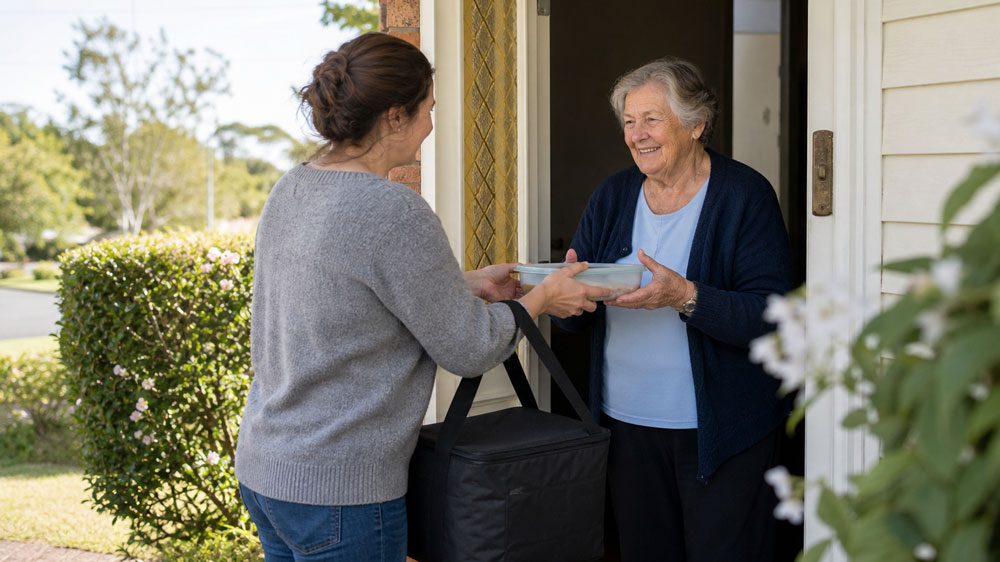
- Companionship at Home: If mobility is highly restricted, a support worker can simply visit the house to play a game of cards, help with a jigsaw puzzle, or just share a cup of tea and a chat about the morning news.
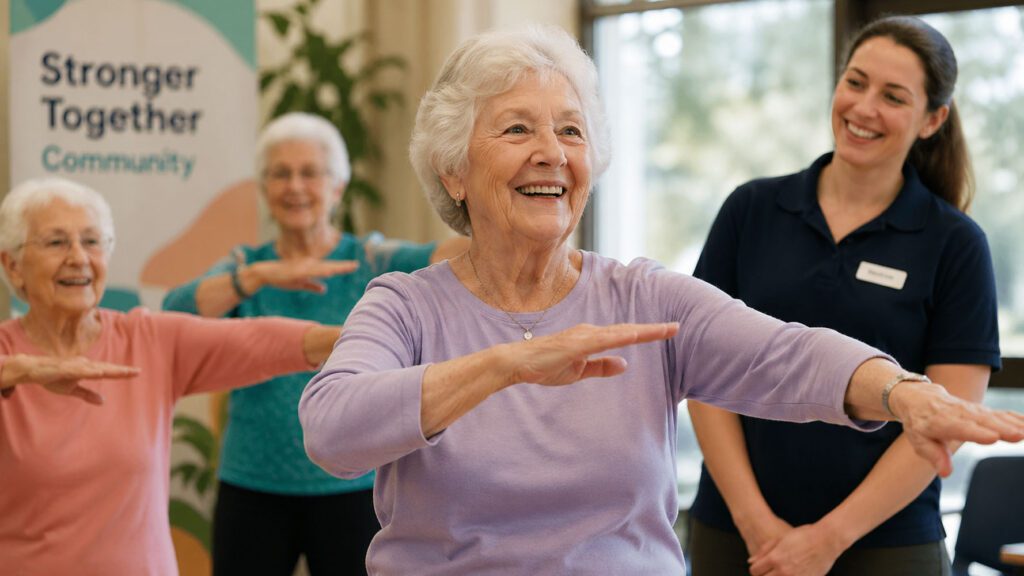
- Hobbies and Interests: Support workers can assist in setting up video calls with interstate grandchildren, help them document family history, or assist them in attending a local art or gentle exercise class.
Finding Your Ideal Care Provider
When it comes to social support, matching with the right provider is about more than just clinical skills. It is really about personality fit. You want a provider who employs engaging, friendly support workers who genuinely enjoy spending time with older people.
Finding a provider that offers this kind of tailored, compassionate care shouldn’t be a struggle. We take the stress out of the process by finding providers with current availability in your area.
Let us do the running around for you. Contact Aged Care Decisions to receive your free, no-obligation Options Report. We can help you find a provider that keeps your family happily connected to the community they love.
Get your FREE Aged Care Provider Options Report today.

Here’s how Aged Care Decisions’ FREE aged care matching service works: