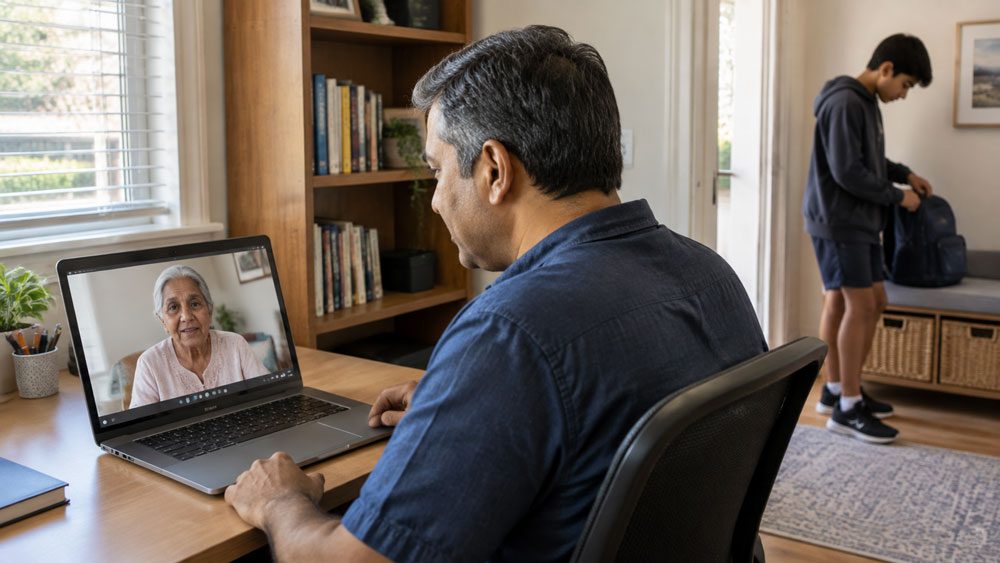
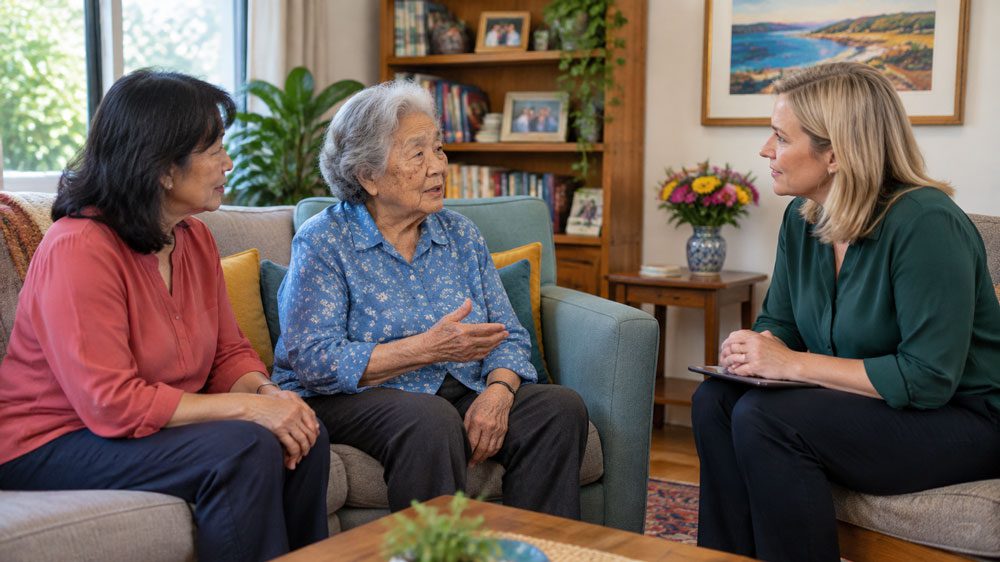
While there are no joint Support at Home packages, couples can coordinate their individual funding to support the household. If one partner has higher care needs, their funding can be used for clinical and personal care, as well as domestic help and transport. This reduces the care responsibilities on the partner helping day to day. If the caring partner also qualifies for Support at Home, they can use their budget for additional independence and everyday living services. You can also access external carer supports and short-term respite if the caring partner needs a proper break.
Key Takeaways
- Support at Home is always assessed individually, so there is no shared or joint funding.
- You can use the higher-needs partner’s funding for domestic tasks like cleaning and gardening to benefit the whole household.
- Clinical supports, like nursing and allied health, are fully funded by the government with no out-of-pocket contributions required.
- If you are a couple, your income and assets are assessed jointly by Services Australia (Centrelink) and then split evenly to determine your contribution rates.
- Carers can access additional help, such as respite and counselling, through the Carer Gateway.


Caring for a partner at home can quickly become overwhelming, especially when you are also managing your own health and household tasks. If you or your partner is approved for Support at Home Program, you can coordinate your funding to reduce carer burnout, bring in professional help, and ensure both of you can stay safely at home for longer. This guide walks you through how to use Support at Home, coordinate services and get extra help when you need a break. It also links to broader information about aged care funding so families can plan care and costs together.
What Happens When One Partner Becomes the Main Carer?
When one partner has more complex care needs, the other often steps into role of primary carer. This shift can affect energy levels, daily routines and peace of mind for both people.
It is very common for the caring partner to take on cooking, cleaning, medication management and physical assistance. Acknowledging this change is the first step toward putting the right support in place. Support at Home is designed to bring professional services into your home so the caring partner can focus on being a partner, not a full-time support worker.
Can Only One Partner Receive Support at Home Funding?
No, both partners can receive Support at Home funding, but you cannot share a single budget. Funding is always assessed and allocated individually.
If only one partner is currently eligible, their funding can still benefit both of you. For example, the funded partner’s budget can be used for domestic assistance, gardening and meal preparation, which naturally frees up time and energy for the caring partner. If the caring partner eventually needs support themselves, they must register with My Aged Care and undergo their own assessment.

How to Use Support at Home to Provide More Help
You can direct your partner’s Support at Home budget toward services that give the caring partner more support and regular breathing room. Choosing services strategically is one of the most practical steps a couple can take.
The government fully covers the cost of clinical care services, so there are no contributions to pay for nursing, wound care or occupational therapy. You can also allocate funds toward personal care (such as help with showering and dressing) and everyday living services (such as cleaning and transport), so the caring partner is not managing everything alone.
Income, Assets and Contributions When You Are a Couple
If you are a couple, Services Australia looks at your combined income and assets when calculating Support at Home costs and contributions.
They will divide the total combined income and assets equally between both partners, regardless of whose name accounts or investments are in. This means your contribution rate for independence and everyday living services reflects your household’s overall financial position.
Clinical
% you pay
Full Pension
0%
Part Pension
0%
Self-funded
0%
Services include
- Nursing
- Personal Care
- Occupational Therapy (OT)
- Restorative Care
- Nutrition
Independence
% you pay
Full Pension
5%
Part Pension
5-50%
Self-funded
50%
Services include
- Respite Services
- Social Support
- Therapeutic Services
- Transport Services
- Home Safety Modifications
Everyday Living
% you pay
Full Pension
17.5%
Part Pension
17.5-80%
Self-funded
80%
Services include
- Domestic Assistance
- Meal Preparation
- Gardening
- Home Maintenance
- Shopping
Respite and Short-Term Support Options for Carers
Short-term respite care options allow the primary carer to step away for a few hours, days or weeks while ensuring their partner receives safe, continuous support. You can use these services to attend to your own health, run errands or simply rest.
Check your partner’s Notice of Decision (letter from they received confirming their aged care approvals). Look for a section labelled “Residential Care – Short-term.” If it is there, your partner is approved for up to 63 days of funded residential respite care in an aged care home per financial year, and their provider can apply for an extension of up to 21 additional days if needed. Not every family realises this approval is already in place. It can make a real difference when you need a proper break.
Through the Support at Home program, the Restorative Care Pathway delivers up to 16 weeks of intensive support to help your partner regain independence after an illness or fall. You can also contact the Carer Gateway on 1800 422 737 to arrange planned in-home respite, emergency respite and carer counselling.
When to Ask for a Reassessment or More Help
You can request a reassessment at any time if your partner’s care needs increase or if it is becoming harder to manage safely at home.
Clear signs that it may be time to request a Support Plan Review include more frequent falls, the need for overnight support, or a change in the caring partner’s own health. If paying your contributions becomes unmanageable, you can also apply for financial hardship assistance through Services Australia.
Read our step-by-step guide to applying for Support at Home if you’d like more information about applying for in-home care, or our guide to support at home eligibility.
Take the Uncertainty Out of Choosing Home Care
Not sure where to start or which services would suit you both? Aged Care Decisions is a 100% free and independent service. Our aged care specialists can help you compare Support at Home providers and plan the right next step, giving you clear options and peace of mind.
Get your FREE Aged Care Provider List today to save time comparing options.

FAQs
Can we both be on Support at Home at the same time?
Yes. Both partners can each have their own Support at Home approval and funding. Each person is assessed individually by an aged care assessor, and funding is based on each person’s care needs, not the household combined.
Can we use one partner's funding for household tasks that help us both?
Yes. Everyday living services such as cleaning, gardening and meal preparation are funded through one partner’s budget and naturally benefit the whole household. This is one of the most practical ways for couples to coordinate their support.
Does our income affect how much we pay for support?
Yes. Services Australia conducts an income and assets assessment and splits your combined finances equally between you. The result determines your contribution rate for independence and everyday living services. Clinical care is always fully funded by the government, regardless of income.
What if only one of us has a Support at Home approval so far?
The partner who has not yet been approved can register with My Aged Care by calling 1800 200 422 or applying online. Each person needs their own assessment before funding can be allocated.
What if we want to use the same home care provider?
This is possible. Many home care providers can support two people in the same household under separate service agreements. It is worth asking any provider you are considering whether they can accommodate both partners.
What is the Carer Gateway?
The Carer Gateway is a free Australian Government service that supports people in a caring role. It offers planned and emergency respite, counselling, peer support and practical assistance. You can contact them on 1800 422 737 or visit carergateway.gov.au.